 Are you ready to
help them? Let’s become a volunteers...
Are you ready to
help them? Let’s become a volunteers...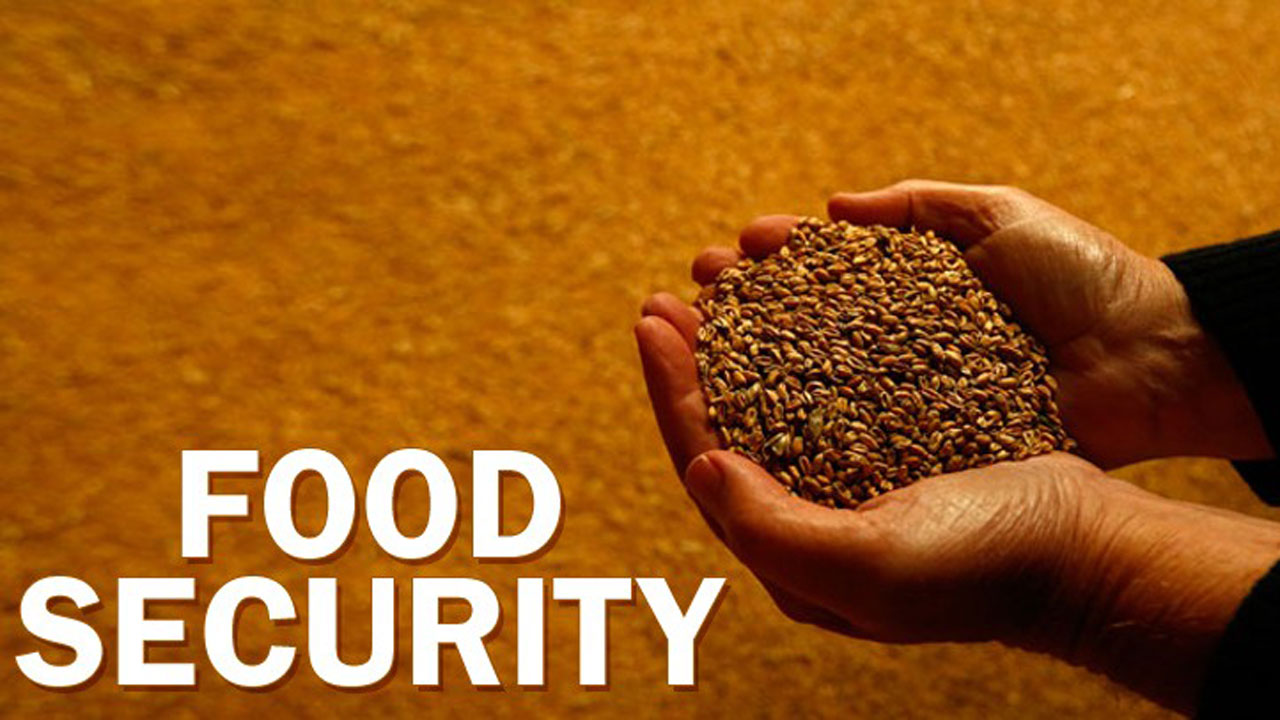
Battling Hunger in Baidoa, Somalia
Baidoa, the capital of Somalia’s South West State, is a region rich in cultural heritage and resilient people. But despite its potential, Baidoa continues to grapple with one of the most pressing humanitarian challenges of our time—food insecurity. Prolonged droughts, political instability, displacement, and economic hardship have made consistent access to food a daily struggle for thousands of households.
The Root Causes of Food Insecurity
Food insecurity in Baidoa is a result of multiple, intersecting challenges:
-
Climate Shocks
Baidoa lies in a region severely affected by climate change. Years of failed rains have led to droughts, devastating crop yields, and killing livestock—the primary source of livelihood for many families. -
Conflict and Displacement
Armed conflict and insecurity continue to displace communities, disrupting farming activities and forcing families to abandon their land. According to humanitarian agencies, Baidoa hosts tens of thousands of internally displaced persons (IDPs), many of whom depend entirely on aid. -
Weak Infrastructure and Market Access
Poor road networks, limited storage facilities, and volatile market prices have made it difficult for local farmers to distribute their produce or access agricultural inputs. This further discourages farming and widens the food gap. -
Economic Instability
High inflation and unemployment have reduced purchasing power, making even available food unaffordable for many.
The Human Impact
Children are among the most affected. Malnutrition rates in Baidoa remain alarmingly high, with thousands of children at risk of stunting or wasting. Mothers and pregnant women are also vulnerable, often unable to access the nutritious food and healthcare they need.
In IDP camps around Baidoa, families rely heavily on food aid and humanitarian support to survive. Long queues for food distribution and water collection are a daily reality.
Efforts to Improve the Situation
Despite the grim circumstances, there are rays of hope:
-
Humanitarian Aid: Organizations such as the World Food Programme (WFP), FAO, and local NGOs continue to provide food rations, nutrition programs, and cash transfers.
-
Resilience Projects: There are ongoing efforts to build long-term resilience through initiatives like water harvesting, training in climate-smart agriculture, and the establishment of kitchen gardens.
-
Government and Community Involvement: The South West State administration, together with community leaders, is playing a growing role in coordinating aid and developing local solutions.
The Way Forward
While emergency food aid remains vital, long-term solutions are crucial to breaking the cycle of hunger in Baidoa:
-
Investing in Climate-Resilient Agriculture: Introducing drought-tolerant crops and sustainable farming techniques can help restore productivity.
-
Strengthening Livelihoods: Supporting small-scale businesses and vocational training can help families earn a stable income.
-
Peacebuilding and Security: Stability is key to allowing people to return home and cultivate their land safely.
-
Improving Infrastructure: Better roads, markets, and storage facilities will enable farmers to sell their products and access necessary supplies.
Conclusion
Food security in Baidoa is not just a humanitarian issue—it is a matter of survival and dignity. Addressing it requires a multi-faceted approach that combines emergency relief with sustainable development, community empowerment, and peacebuilding. As the people of Baidoa continue to show resilience in the face of adversity, the global community must stand with them in the journey toward a hunger-free future.